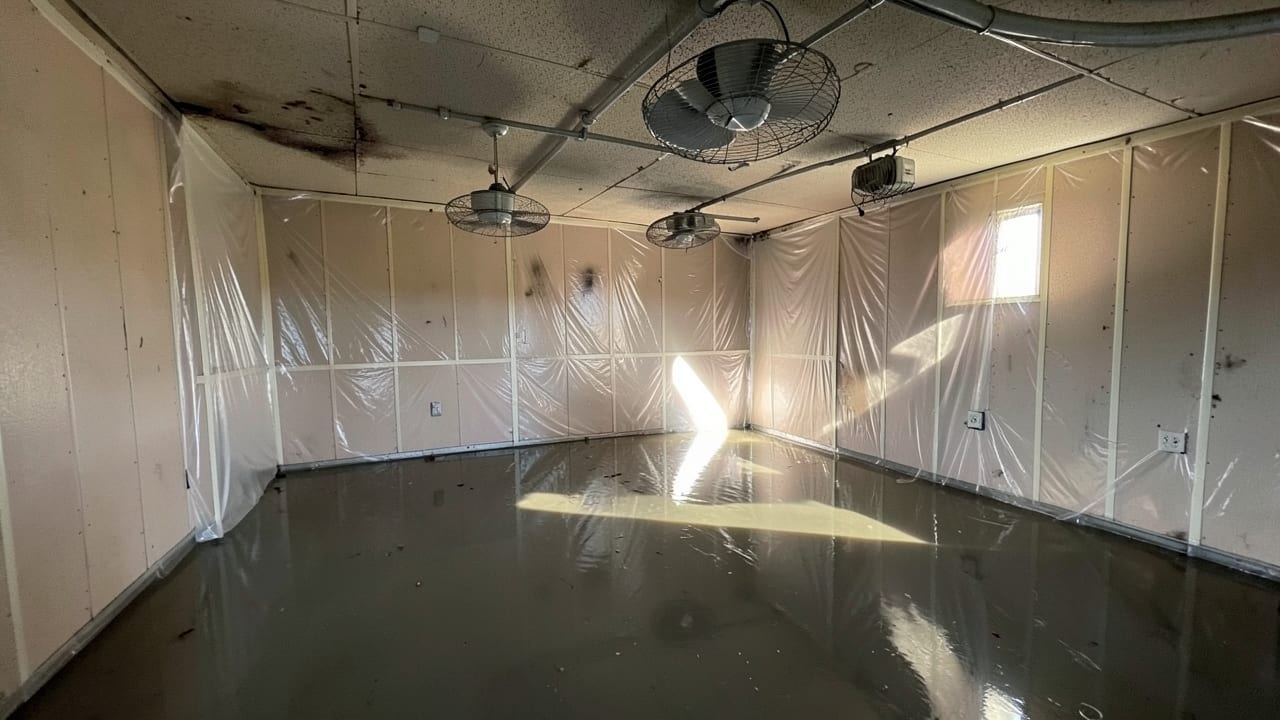
Storm Damage Mold Cleanup
Professional cleanup and remediation of mold caused by storm-related water damage in homes.
When Canyon Lake’s storms leave hidden mold behind walls, ceilings, or in basements, professional remediation targets both the growth and the moisture source to prevent recurrence. This service combines containment, removal, and drying to minimize spore spread while addressing structural damage—critical after water intrusion from heavy rains or wind events.
When to call for storm damage mold cleanup
Mold after a storm often hides where you can’t see it. Look for patches larger than a few square feet, recurring growth after cleaning, or a musty smell that worsens when the HVAC runs—signs the problem is deeper than surface wiping.
We also handle Mold Inspection and Mold Testing & Air Quality Testing for Canyon Lake properties.
Hidden moisture sources (like leaks or poor drainage) fuel regrowth unless fixed during remediation.
Canyon Lake’s climate—hot, dry summers and wet winters—creates ideal conditions for mold to thrive in damp wood, drywall, or insulation. Storm damage accelerates this, turning minor leaks into full-scale contamination if left unchecked. The key is acting before mold spreads beyond containment.
Signs You Need Professional Remediation (Not DIY)
- Mold covers more than 25 contiguous square feet (California’s threshold for contractor-level work).
- Growth returns within weeks after cleaning, even after scrubbing the same spot.
- A musty odor persists with no visible mold—indicating hidden growth in walls, ducts, or under flooring.
- The smell intensifies when the HVAC system turns on, suggesting spores are spreading through ductwork.
What affects cost and timeline?
Pricing depends on the affected area’s size, material type (porous vs. non-porous), and whether hidden moisture sources require repairs. Canyon Lake’s typical range reflects labor, containment, HEPA filtration, and clearance testing—all steps needed to prevent recurrence.
Jobs with confirmed black mold (*Stachybotrys*) or extensive structural damage may cost more due to additional safety measures and material disposal. Timing also varies: containment and drying can take days, while clearance testing adds another 24–48 hours.
Avoiding common mistakes after a storm
Skipping containment or using non-HEPA equipment spreads spores into unaffected areas, turning a small job into a larger one. Similarly, fixing mold without addressing the moisture source (like a leak or poor grading) ensures regrowth within months.
Post-remediation, monitor humidity in affected rooms for the first year. Stagnant air in closets or basements can trap moisture, while outdoor drainage issues (like downspouts dumping near the foundation) often go unnoticed until mold returns.
Avoid bids that exclude containment, clearance testing, or a written scope of work. Verbal estimates without itemized details often lead to unexpected costs once demolition begins.
How storm damage mold cleanup works
- 1Containment Setup
Plastic sheeting and negative-air machines seal the work area to trap spores during removal, preventing them from drifting into hallways or HVAC systems.
- 2Mold Removal
Porous materials (drywall, insulation) are cut out and bagged, while non-porous surfaces (framing, tile) are scrubbed and treated to kill remaining spores.
- 3HEPA Filtration
Air scrubbers with HEPA filters run continuously to capture airborne spores, and surfaces are vacuumed with HEPA-equipped tools to avoid recirculating contamination.
- 4Structural Drying
Industrial dehumidifiers and air movers dry framing and subfloors to normal moisture levels, as damp wood encourages regrowth even after visible mold is gone.
- 5Clearance Testing
An independent lab tests air or surfaces post-remediation to confirm spore counts are back to normal before containment is removed.
Frequently asked questions
My mold keeps coming back after I clean it myself. What am I missing?
Recurring mold almost always means the moisture source (like a leak, condensation, or poor grading) wasn’t fixed. Surface cleaning without addressing the root cause leaves materials exposed to the same damp conditions, leading to regrowth.
Do I need a permit or inspection for storm damage mold cleanup in Canyon Lake?
California requires a licensed contractor for jobs over $500, but no local permits are needed for private residences. However, check with your HOA or local building department if your community has additional rules.
Why does my musty smell get worse when the AC runs?
If the smell worsens with the HVAC on, spores are likely circulating through ductwork. This often means hidden mold in vents or returns, which requires professional duct cleaning and remediation.
Can I save money by doing part of the work myself?
Attempting DIY containment or removal without proper equipment risks spreading spores into clean areas. Containment breaches and improper disposal of moldy materials are common reasons jobs cost more later.
Where Canyon Lake sits, and what the Census lists nearby
Canyon Lake sits in California, and the closest places listed in the U.S. Census Gazetteer are Meadowbrook (2.9 miles northwest), Lake Elsinore (4.1 miles west), Warm Springs (4.3 miles west), Menifee (4.6 miles east).
Within 25 miles of Canyon Lake the same source lists 54 distinct incorporated places and census-designated places.
Those figures matter for storm damage mold cleanup because they are straight-line distances between Census coordinate points: road mileage between Canyon Lake and Meadowbrook runs longer than the 2.9 miles shown, which is why quotes for the same job differ between towns that look close together on a map.
Source: U.S. Census Bureau Gazetteer.
See Lakeview, CA for more, or take a look at everything on offer in Canyon Lake in one place for our complete lineup.
Ready to get started?
Talk to a local mold remediation pro in Canyon Lake — get a written quote.
Other Mold Remediation Services in Canyon Lake
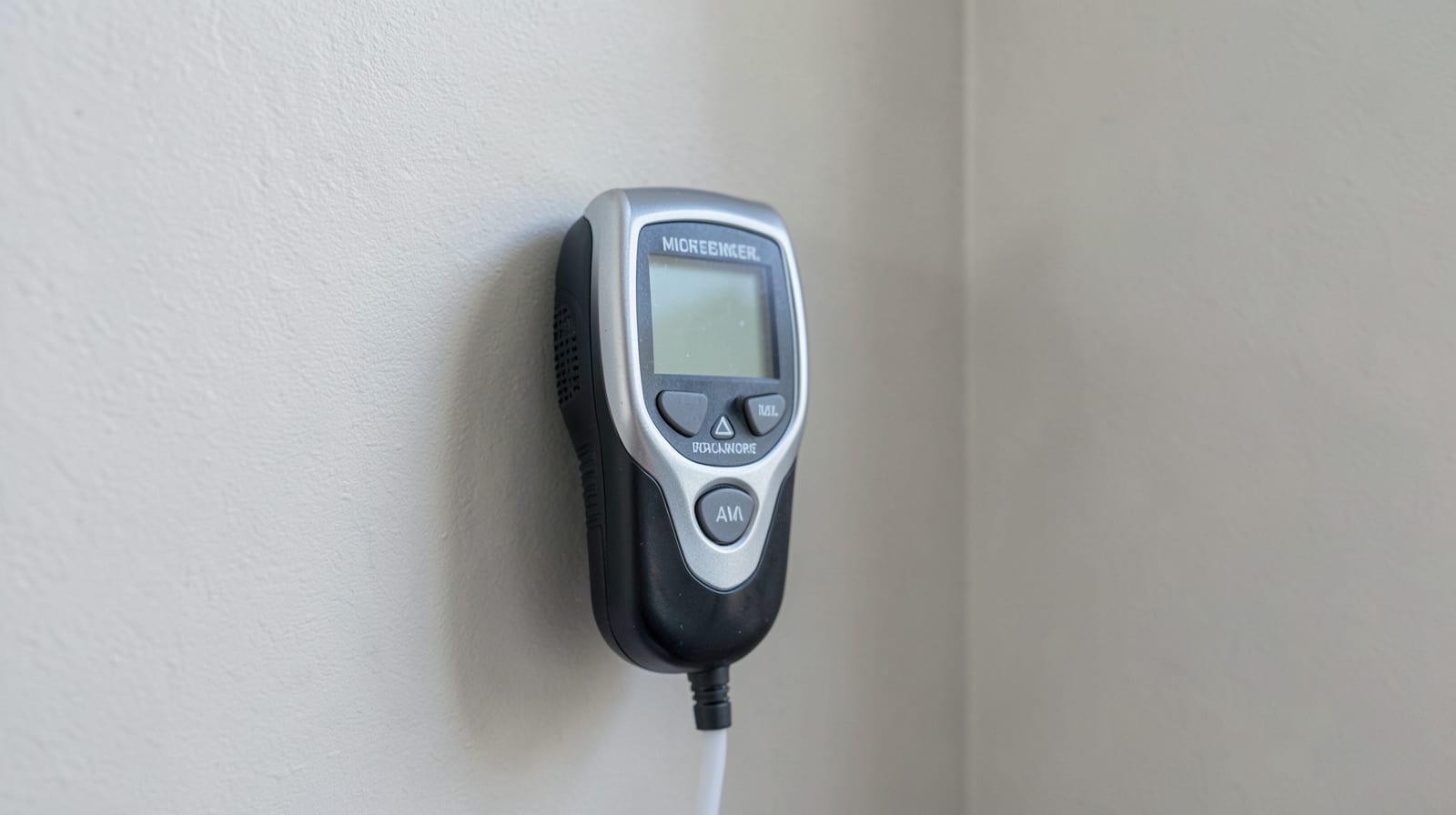
Mold Inspection in Canyon Lake, CA
Mold inspection in Canyon Lake, CA — a visual and moisture-meter assessment that finds the source of growth, not just the visible spot on the wall.
Learn More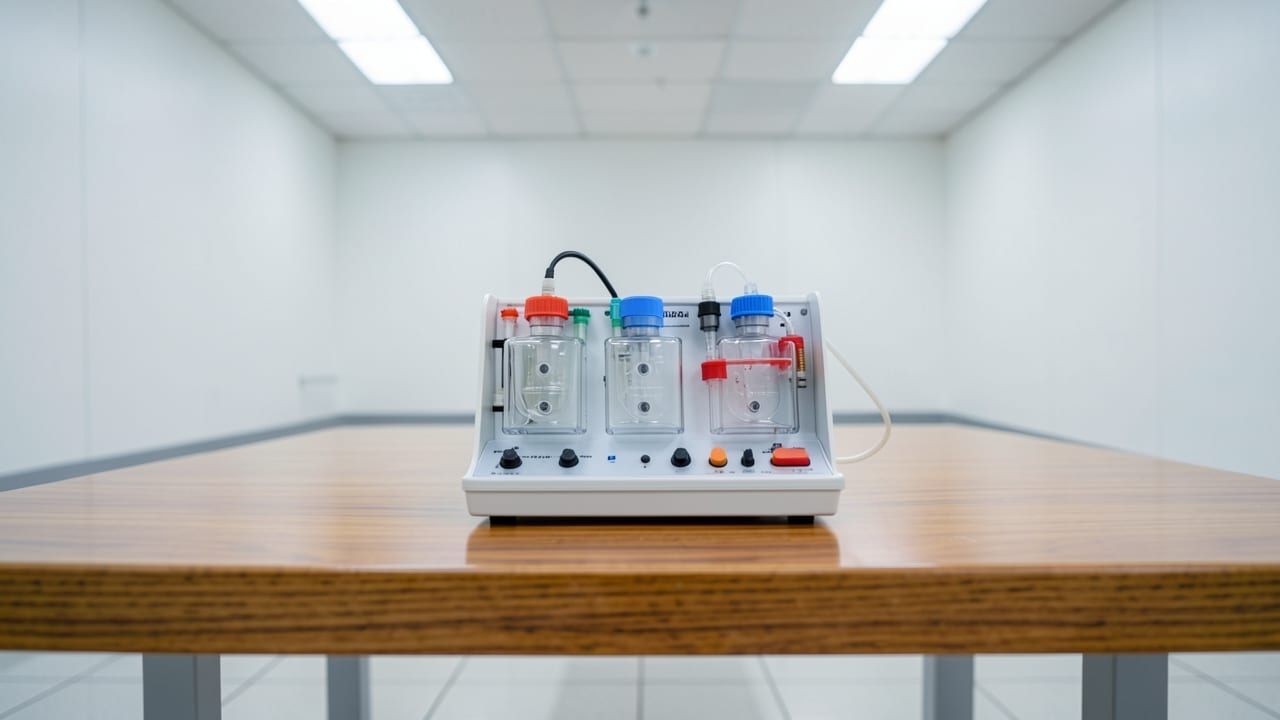
Mold Testing & Air Quality Testing in Canyon Lake, CA
Mold and indoor air quality testing in Canyon Lake, CA — lab-analyzed air and surface samples confirm what's actually growing and whether it's airborne.
Learn More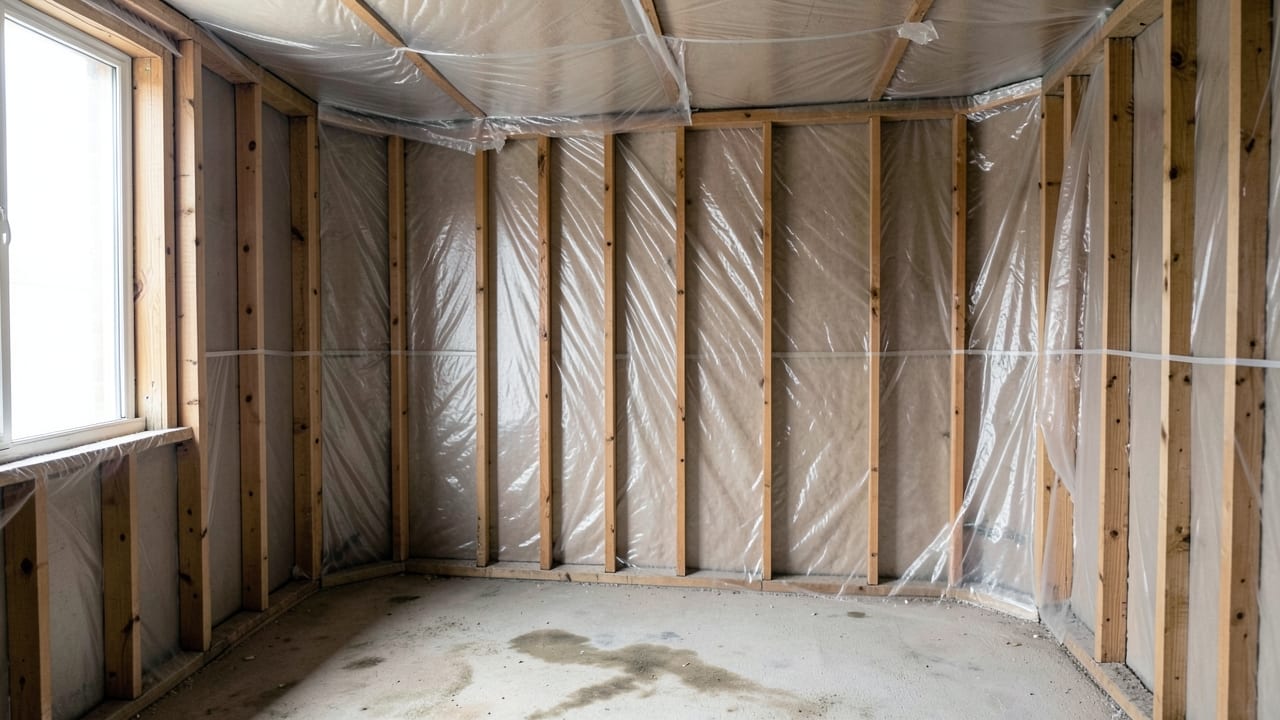
Mold Removal & Remediation in Canyon Lake, CA
Mold removal and remediation in Canyon Lake, CA — containment, HEPA filtration, and removal of affected material following industry (IICRC S520) protocol.
Learn More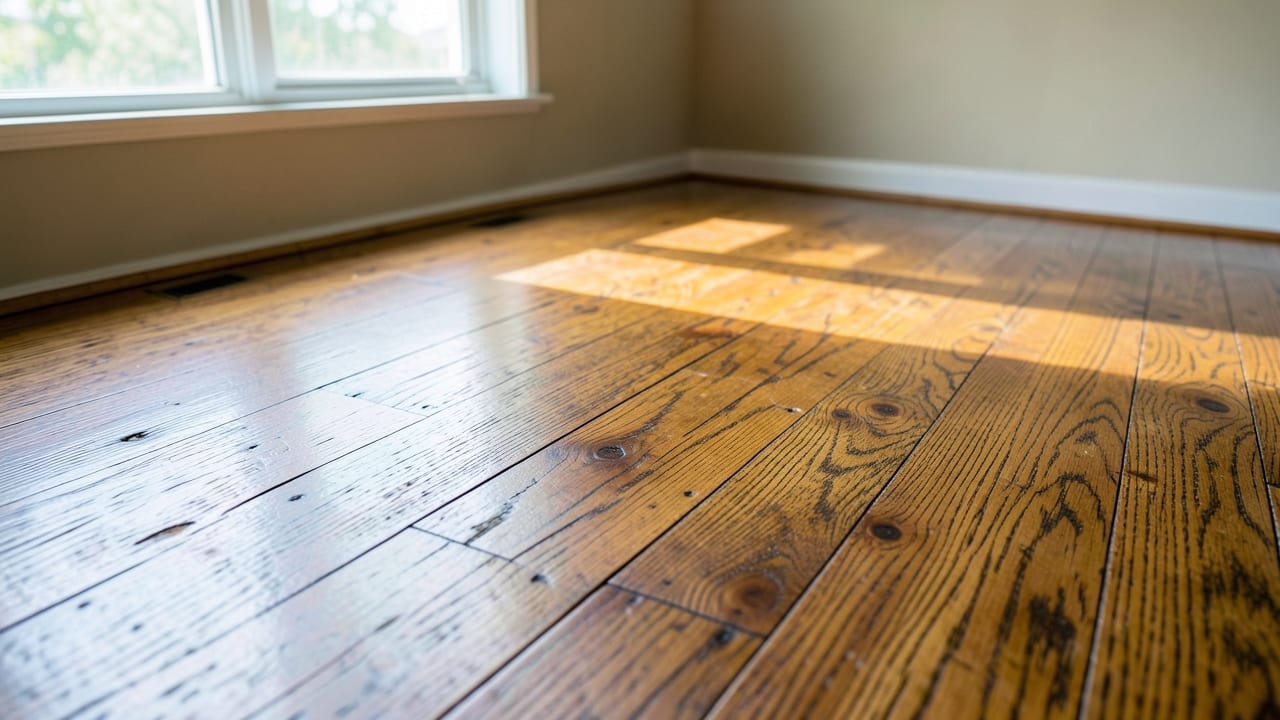
Water Damage Restoration in Canyon Lake, CA
Water damage restoration in Canyon Lake, CA — extraction and structural drying to stop mold growth before it starts, following a leak, storm, or flood.
Learn More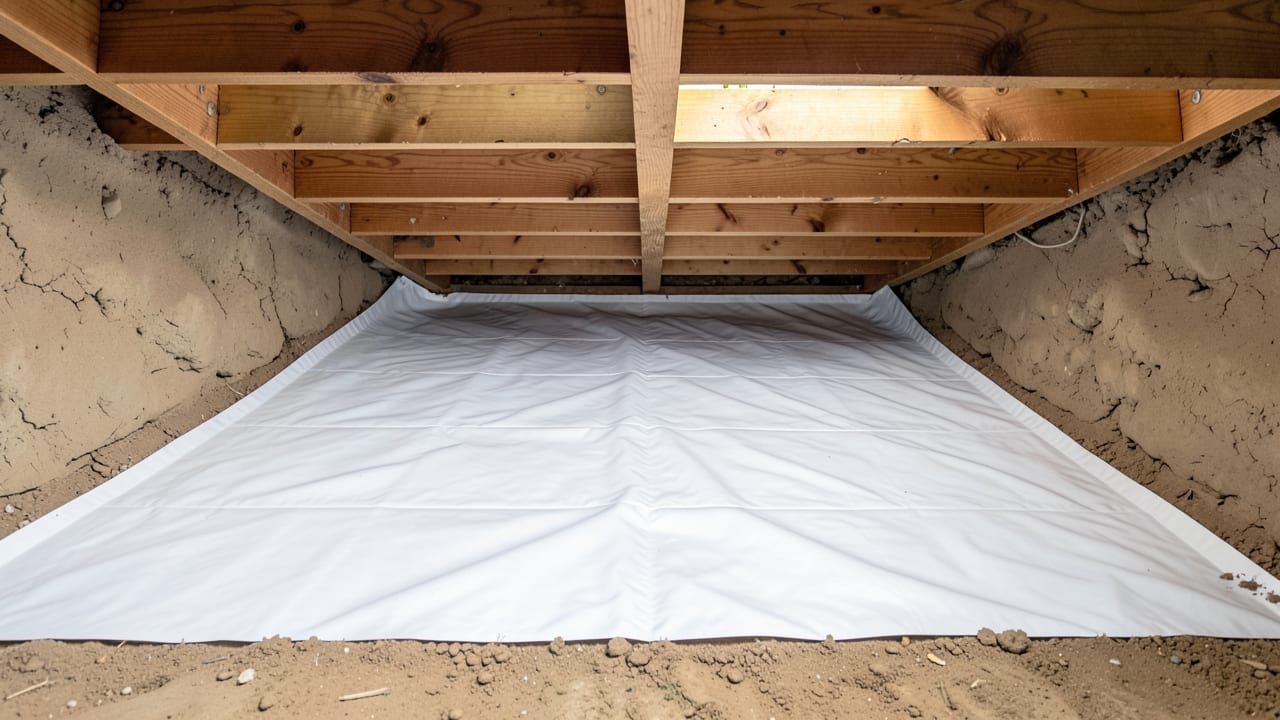
Crawl Space & Basement Mold Remediation in Canyon Lake, CA
Crawl space and basement mold remediation in Canyon Lake, CA addresses the two areas of a property most prone to trapped, unnoticed moisture.
Learn More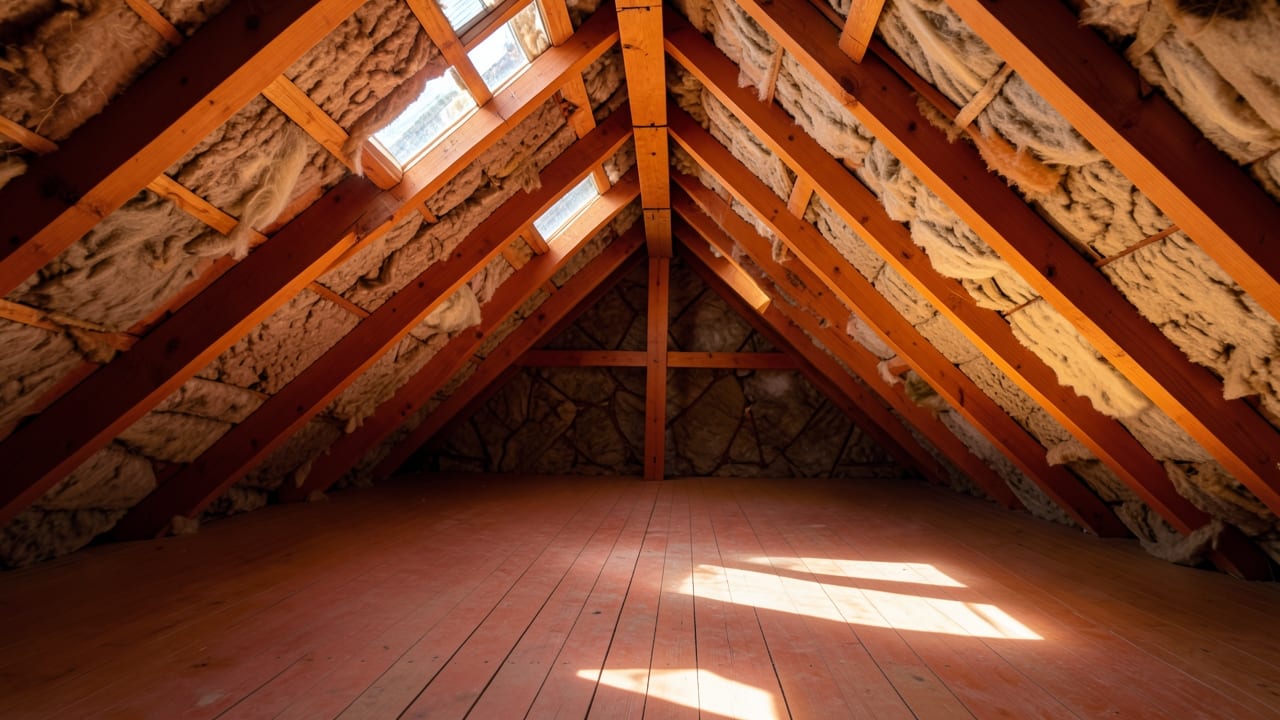
Attic Mold Remediation in Canyon Lake, CA
Attic mold remediation in Canyon Lake, CA addresses roof-deck growth typically caused by poor ventilation or a hidden roof leak.
Learn MoreCommon Questions About Mold Remediation in Canyon Lake
Everything you need to know about mold remediation services in Canyon Lake
How much does Storm Damage Mold Cleanup typically cost in Canyon Lake, CA?
Does coastal humidity around Canyon Lake, CA change how mold risk is assessed?
How long does a typical mold remediation job take?
Is it safe to stay in the home during mold remediation?
Can small mold problems be handled without hiring anyone?
What's the actual difference between mold removal and mold remediation?
Need Mold Remediation in Canyon Lake?
Connect with local providers in Canyon Lake for a detailed quote.
⏰ We answer your call • Serving all of Canyon Lake and surrounding areas