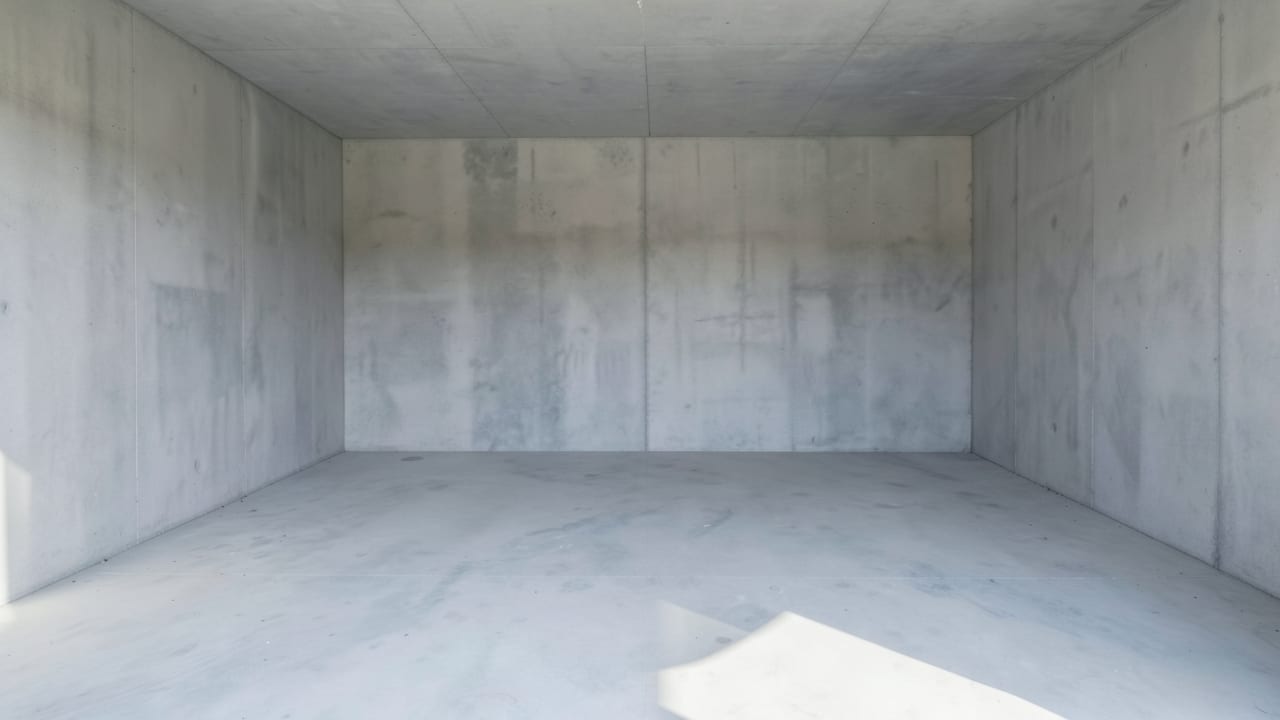
Garage Mold Removal
Professional assessment and removal of mold growth in garages to restore a safe, clean space.
Garage mold thrives in Canyon Lake’s damp, enclosed spaces, often hidden until it spreads beyond DIY solutions. Professional removal includes containment, material removal, HEPA filtration, and moisture control to prevent regrowth—critical for garages where leaks, poor ventilation, or humidity create ideal conditions for mold colonies.
Addressing the root cause is the only way to stop it from returning.
We also handle Crawl Space & Basement Mold Remediation and Attic Mold Remediation for Canyon Lake properties.
When to call for garage mold removal
Mold in your garage may start small, but once it covers more than a few square feet or keeps returning after cleaning, it’s time for professional help. Canyon Lake’s climate—combined with garages prone to leaks, poor airflow, or seasonal humidity swings—makes this a common issue.
Ignoring it risks structural damage, health concerns, and hidden growth in walls or ductwork.
Visible mold is only part of the problem. Musty odors with no visible source, recurring growth in the same spot, or a smell that worsens when your HVAC runs often mean hidden moisture or spread beyond what you can see.
These signs typically indicate a job beyond surface cleaning, where containment and material removal become necessary.
Signs Your Garage Mold Needs Professional Removal
- Mold covers more than a small, isolated patch (typically over 25 contiguous square feet).
- Growth returns in the same spot after cleaning, suggesting an unresolved moisture source.
- A musty smell persists even after cleaning, with no visible mold—often a sign of hidden growth.
- The odor strengthens when your HVAC system turns on, indicating possible ductwork contamination.
- You notice health symptoms (sneezing, skin irritation, or respiratory issues) linked to time spent in the garage.
What affects cost and scope
Pricing for garage mold removal in Canyon Lake varies based on the size of the affected area, the type of mold, and whether hidden growth or moisture issues are discovered during the job. Black mold or extensive contamination typically costs more due to stricter containment and disposal requirements.
Most homeowners pay between $600 and $2,400 per affected room, but this can rise if structural materials or ductwork are involved.
A thorough job includes containment, HEPA filtration, material removal, drying, and clearance testing—but these steps are often priced separately. Skipping any of them risks incomplete removal or regrowth. Always confirm whether a quote covers inspection, testing, remediation, and post-job verification to avoid unexpected costs.
Common mistakes to avoid
DIY cleaning often fails because it doesn’t address hidden mold, moisture sources, or proper containment. Using non-HEPA vacuums or air scrubbers can spread spores instead of capturing them, turning a small job into a larger contamination issue.
Even after removal, mold regrows quickly if the original moisture problem—like a leak or poor ventilation—isn’t fixed.
Pressure to sign a contract during the inspection or pay in full upfront are red flags. A legitimate scope of work takes time to prepare, and full payment before any work starts removes leverage if the job isn’t completed as promised.
Always ask for a written, itemized quote that specifies square footage, containment methods, and post-remediation testing.
Plastic sheeting and negative air machines are critical to prevent spores from spreading to unaffected areas of your home. Without them, a contained job becomes a full-house contamination risk. Post-remediation clearance testing confirms the work was effective—skipping it leaves no proof the mold is truly gone.
How garage mold removal works
Professional removal follows a structured process to eliminate mold and prevent regrowth.
- 1Containment Setup
Plastic sheeting seals off the garage, and negative-air machines create a vacuum that pulls spores away from the work area. This prevents contamination from spreading to other parts of your home during removal.
- 2Material Removal and Cleaning
Porous materials like drywall or insulation—where mold grows deep—are cut out and disposed of in sealed bags. Non-porous surfaces like tile or framing are scrubbed and treated to kill remaining spores.
- 3HEPA Filtration and Drying
HEPA air scrubbers run continuously to capture airborne spores, and HEPA vacuums clean surfaces. Industrial dehumidifiers and air movers dry structural materials to prevent moisture from fueling new growth.
- 4Moisture Source Identification
The crew inspects for leaks, poor ventilation, or grading issues that caused the mold. Fixing these problems is essential—otherwise, mold will likely return within months.
- 5Clearance Testing
An independent lab tests air or surfaces for remaining spores. Results determine whether the garage is safe to reopen; without this step, hidden mold may persist.
Frequently asked questions
My garage mold keeps coming back after I clean it. What’s the issue?
Recurring mold usually means the moisture source—like a leak, condensation, or poor airflow—wasn’t fixed. Surface cleaning removes visible growth, but without addressing the root cause, spores remain and regrow. A professional inspection identifies and seals the source to prevent future issues.
Do I need to leave the house during the mold removal process?
You don’t have to leave, but the work area is sealed off with plastic sheeting and negative air pressure to contain spores. Staying in other parts of your home minimizes exposure, though some homeowners prefer to be elsewhere during active removal for comfort.
How long does it take to remediate a moldy garage?
The timeline depends on the size of the affected area and whether hidden growth or moisture issues are found. A small, contained job may take a day, while larger or complex cases—especially with structural drying or ductwork—can take several days. Containment and clearance testing add time but ensure thorough results.
Will my insurance cover garage mold removal?
Coverage depends on your policy and whether the mold resulted from a covered event, like a burst pipe. Some insurers exclude mold entirely or limit coverage. Review your policy or contact your agent before assuming coverage—many homeowners find they’re responsible for the full cost.
Where Canyon Lake sits, and what the Census lists nearby
Canyon Lake sits in California, and the closest places listed in the U.S. Census Gazetteer are Meadowbrook (2.9 miles northwest), Lake Elsinore (4.1 miles west), Warm Springs (4.3 miles west), Menifee (4.6 miles east).
Within 25 miles of Canyon Lake the same source lists 54 distinct incorporated places and census-designated places.
Those figures matter for garage mold removal because they are straight-line distances between Census coordinate points: road mileage between Canyon Lake and Meadowbrook runs longer than the 2.9 miles shown, which is why quotes for the same job differ between towns that look close together on a map.
Source: U.S. Census Bureau Gazetteer.
See Menifee, CA for more, or explore everything on offer in Canyon Lake on a single page for our complete lineup.
Ready to get started?
Talk to a local mold remediation pro in Canyon Lake — get a written quote.
Other Mold Remediation Services in Canyon Lake
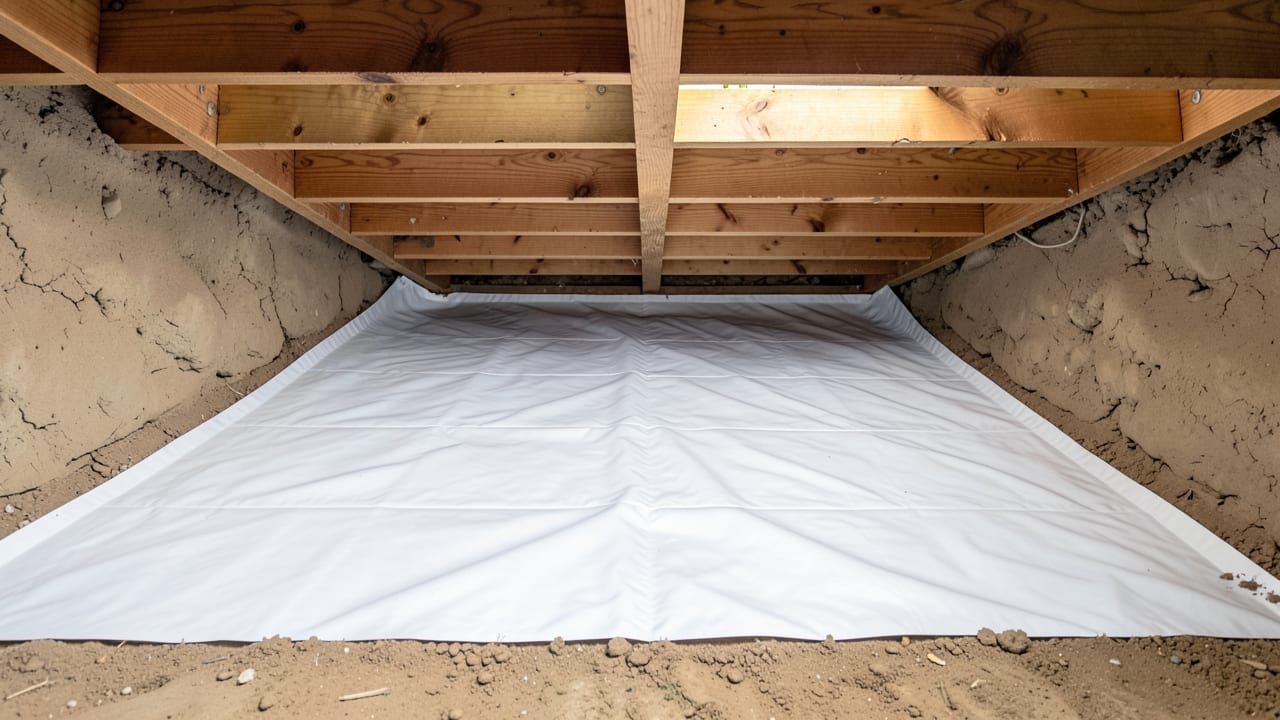
Crawl Space & Basement Mold Remediation in Canyon Lake, CA
Crawl space and basement mold remediation in Canyon Lake, CA addresses the two areas of a property most prone to trapped, unnoticed moisture.
Learn More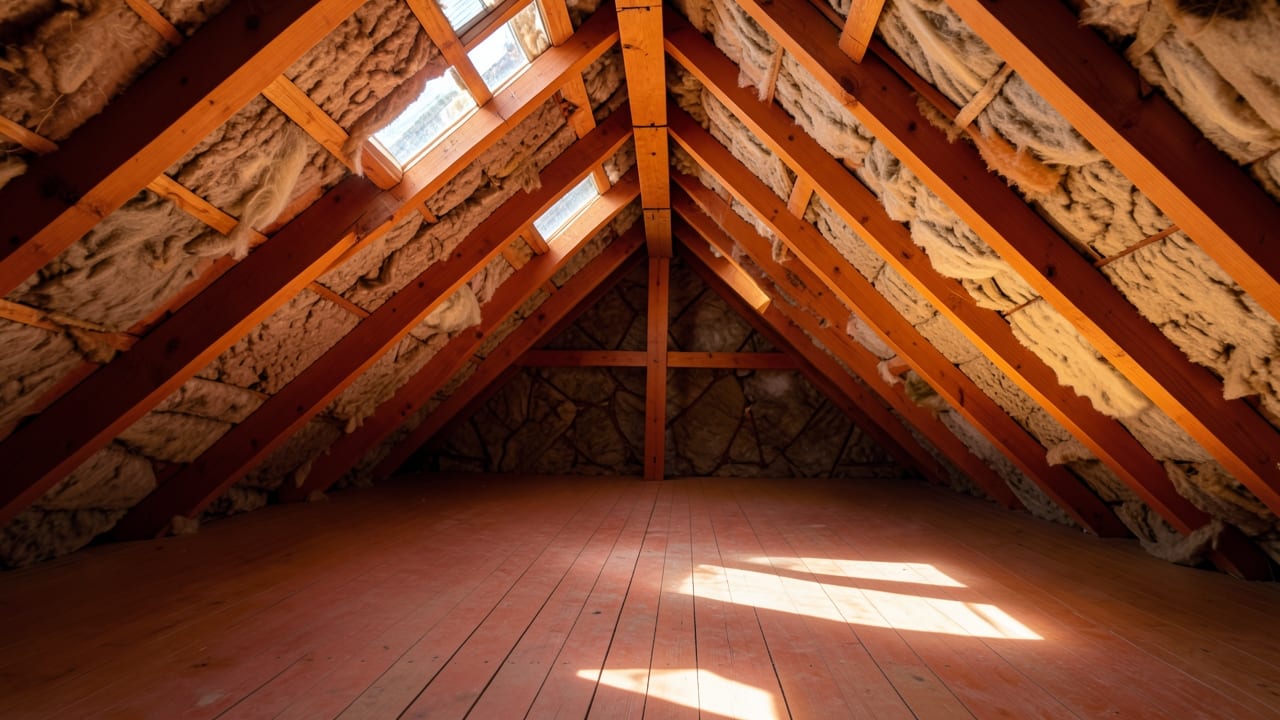
Attic Mold Remediation in Canyon Lake, CA
Attic mold remediation in Canyon Lake, CA addresses roof-deck growth typically caused by poor ventilation or a hidden roof leak.
Learn More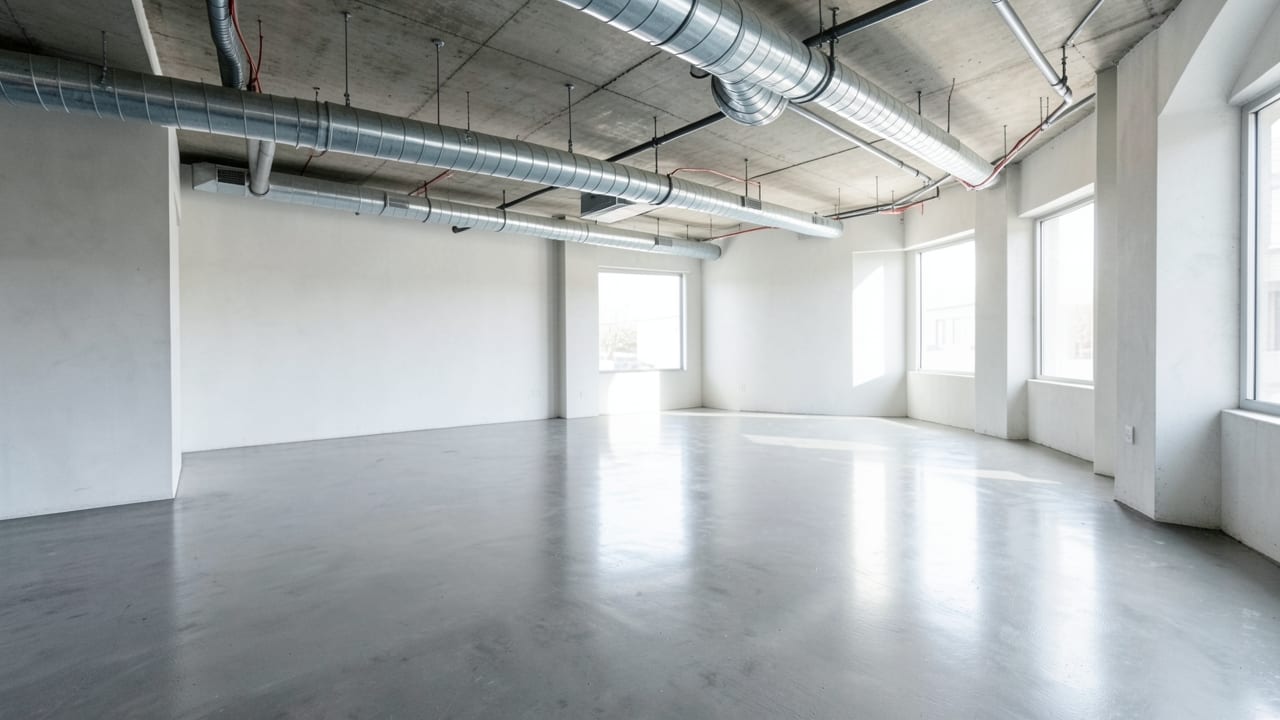
Commercial Mold Remediation in Canyon Lake, CA
Commercial mold inspection and remediation in Canyon Lake, CA for offices, retail space, and multi-unit properties, scheduled around business operations.
Learn More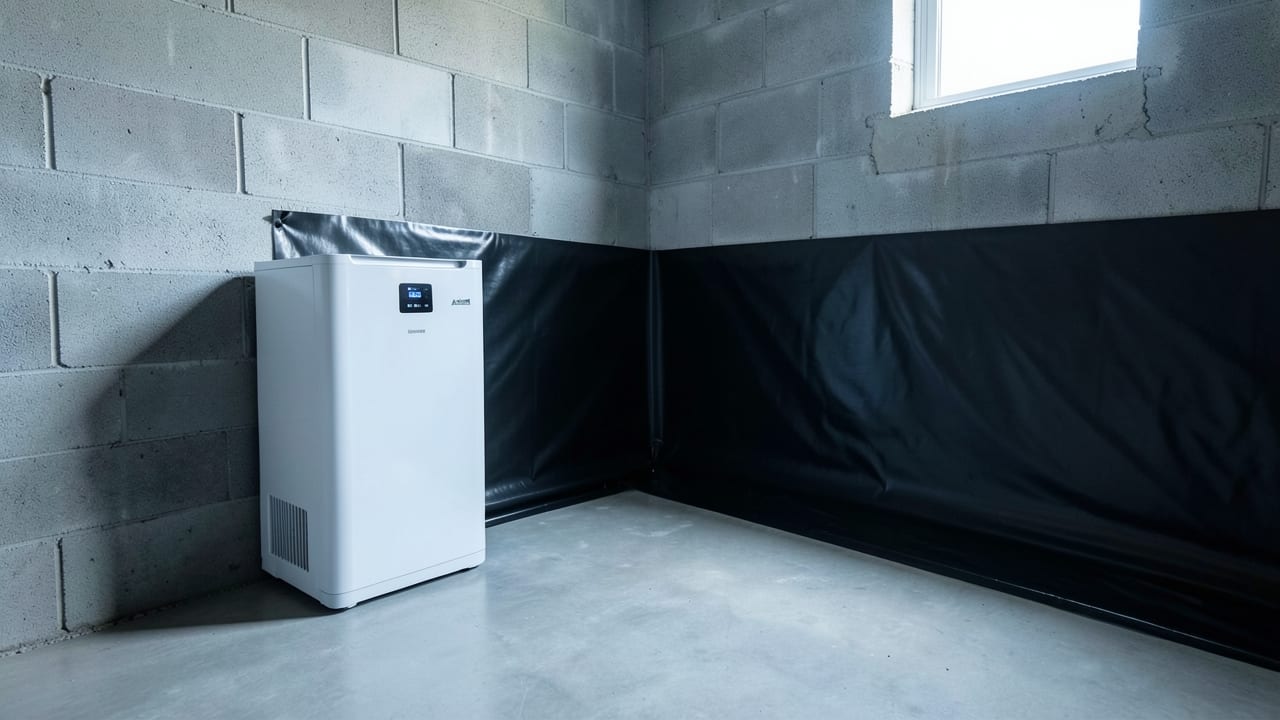
Mold Prevention & Moisture Control in Canyon Lake, CA
Mold prevention and moisture control in Canyon Lake, CA — addressing ventilation, humidity, and drainage before growth starts, not after.
Learn More
Mold & Asbestos Testing in Canyon Lake, CA
Combined mold and asbestos testing in Canyon Lake, CA — one inspection visit, lab-verified results for both.
Learn More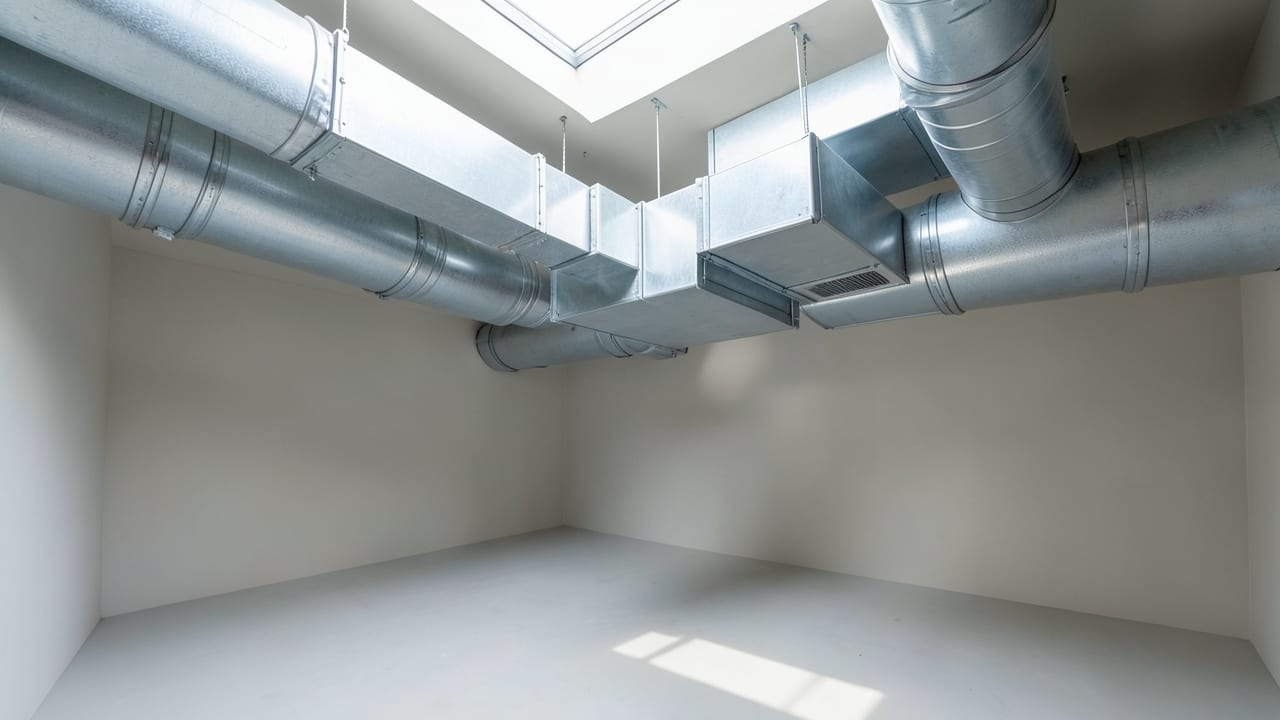
HVAC Mold Remediation in Canyon Lake, CA
HVAC and ductwork mold remediation in Canyon Lake, CA — mold growing inside the air handler or duct system, spreading through every vent.
Learn MoreCommon Questions About Mold Remediation in Canyon Lake
Everything you need to know about mold remediation services in Canyon Lake
How much does Garage Mold Removal typically cost in Canyon Lake, CA?
Does coastal humidity around Canyon Lake, CA change how mold risk is assessed?
How long does a typical mold remediation job take?
Is it safe to stay in the home during mold remediation?
Can small mold problems be handled without hiring anyone?
What's the actual difference between mold removal and mold remediation?
Need Mold Remediation in Canyon Lake?
Connect with local providers in Canyon Lake for a detailed quote.
⏰ We answer your call • Serving all of Canyon Lake and surrounding areas