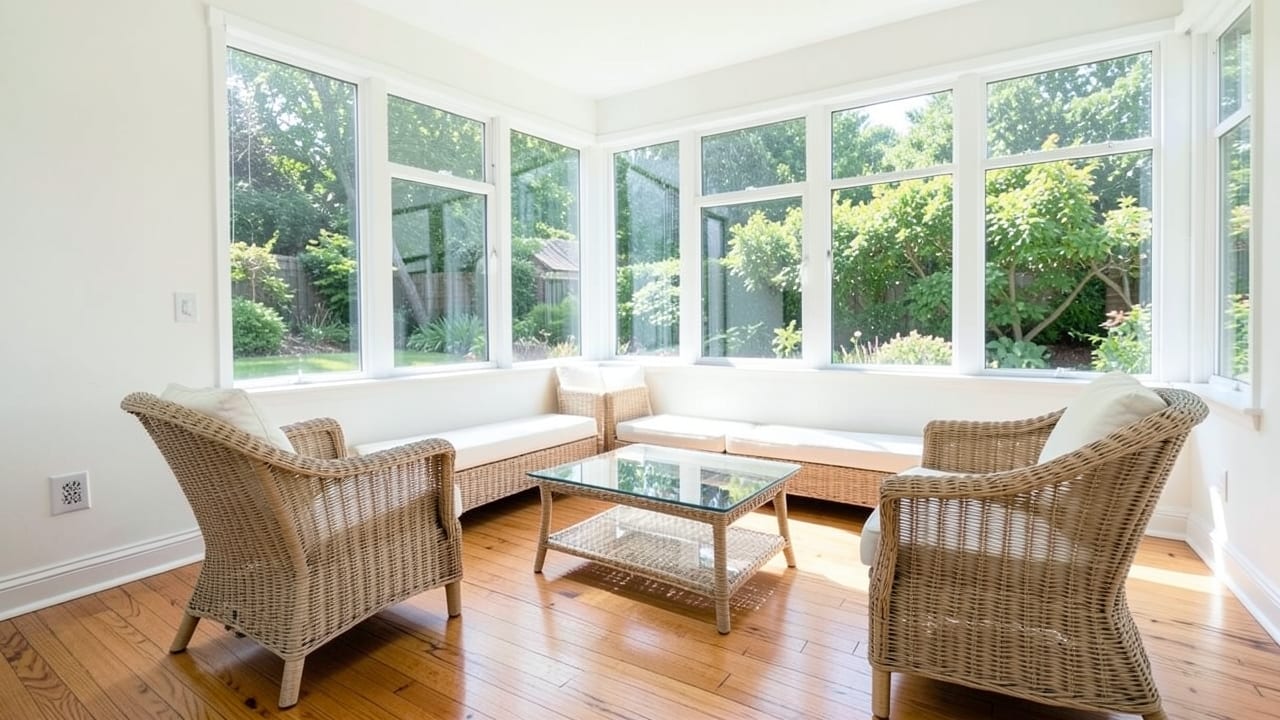
Sunroom Mold Remediation
Professional removal and treatment of mold in sunrooms to restore a safe, clean space.
Sunroom mold remediation in Canyon Lake, CA addresses mold growth caused by moisture in enclosed spaces like sunrooms, where poor ventilation and humidity create ideal conditions for spores. The process involves containment, removal of affected materials, drying, and clearance testing to ensure the area is safe for use again.
Proper remediation prevents regrowth and restores air quality in your home.
We also handle Pet Urine Mold Treatment and Salt Air Mold Remediation for Canyon Lake properties.
When sunroom mold needs professional remediation
Mold in a sunroom often starts small but can spread quickly if moisture isn’t addressed. A single patch smaller than 25 square feet *may* be manageable with cleaning, but growth covering larger areas, recurring after cleaning, or accompanied by a musty smell—especially when the HVAC runs—typically requires professional intervention.
Hidden mold behind walls or under flooring is another sign the problem is beyond surface-level cleaning.
Sunrooms, with their glass walls and limited airflow, trap humidity and condensation. Without proper ventilation or dehumidification, mold can colonize framing, insulation, and even furniture. If you’ve tried cleaning but the mold keeps returning, the moisture source likely hasn’t been fixed.
Professional remediation targets both the visible growth *and* the underlying cause to help prevent future issues.
Signs Your Sunroom Mold Needs Professional Help
- Mold covers more than 25 contiguous square feet (California’s threshold for DIY cleanup).
- The musty smell lingers even after cleaning visible mold or persists when the HVAC system is on.
- Mold reappears in the same spot within weeks after cleaning, indicating an unresolved moisture issue.
- You notice condensation or water stains on walls, ceilings, or windows—signs of trapped humidity.
What affects pricing and timeline for sunroom mold work
The cost of sunroom mold remediation varies based on the size of the affected area, the type of materials involved (e.g., drywall vs. tile), and whether the mold is black mold (Stachybotrys), which often requires more extensive containment and disposal.
Labor, equipment rental, and disposal fees also play a role. A single room with surface-level mold typically ranges in cost, but hidden mold or structural damage can increase both time and expense.
Timing depends on drying requirements, containment setup, and clearance testing. Industrial dehumidifiers and air movers may run for days to ensure framing and subfloors reach safe moisture levels before the space is sealed back up.
Rushing this step can lead to regrowth, so thorough drying is critical—even if it extends the project.
Common mistakes that make mold come back
Skipping containment during removal is a major oversight—without plastic sheeting and negative air pressure, spores can spread to unaffected areas of your home. Using standard shop vacuums or non-HEPA air scrubbers also recirculates spores instead of capturing them, turning a contained job into a larger problem.
These shortcuts may save time upfront but often lead to hidden mold growth elsewhere.
Fixing the visible mold without addressing the moisture source—like a leaky window, poor grading, or condensation—sets the stage for regrowth. Even after remediation, rooms prone to dampness (like sunrooms) benefit from ongoing airflow or dehumidification to prevent recurrence. Without these steps, the same materials remain vulnerable to future mold.
A breach in plastic sheeting, an open door, or improper negative air pressure lets spores drift into hallways, HVAC ducts, or other rooms. This turns a contained job into a whole-house issue, often requiring additional work to fully resolve.
How sunroom mold remediation works
Professional remediation follows a structured process to safely remove mold and prevent regrowth.
- 1Containment Setup
Plastic sheeting seals off the sunroom, and negative-air machines create a vacuum that keeps spores from escaping into the rest of your home. This step ensures only the affected area is exposed to disturbance.
- 2Removal of Affected Materials
Porous materials like drywall and insulation—where mold grows deep—are cut out and bagged inside containment. Non-porous surfaces (tile, framing) are scrubbed and treated to kill remaining spores.
- 3HEPA Filtration and Cleanup
HEPA air scrubbers run continuously during removal to capture airborne spores, while surfaces are vacuumed with HEPA-filtered equipment. This prevents spores from settling back into the air or onto cleaned areas.
- 4Structural Drying
Industrial dehumidifiers and air movers dry framing and subfloors to safe moisture levels. Mold regrows on damp material, so this step is critical—even if no visible mold remains.
- 5Clearance Testing
An independent lab tests air or surfaces for remaining spores. Results confirm the space is safe before containment is removed, ensuring the work meets standard clearance thresholds.
Frequently asked questions
How do I know if my sunroom mold is black mold?
Black mold (Stachybotrys) is typically dark greenish-black and has a slimy texture. However, visual identification isn’t definitive—lab testing is the only way to confirm the species. If you suspect black mold, professional remediation is recommended due to its potential health risks and the need for stricter containment.
Will my sunroom need to be boarded up during remediation?
Not always, but containment may require sealing off doors or windows to maintain negative air pressure. The crew will assess the best way to isolate the space while keeping your home accessible for other uses. Temporary barriers or plastic sheeting are common solutions.
How long until I can use the sunroom after remediation?
Drying time varies—some rooms are ready within days, while others may take a week or more, depending on humidity levels and structural drying requirements. Clearance testing must also be completed before the space is considered safe for regular use.
Can I prevent mold from returning after remediation?
Fixing the moisture source (leaks, poor ventilation, grading issues) is the best prevention. After remediation, use dehumidifiers or fans in damp-prone areas and monitor humidity levels. Sunrooms benefit from improved airflow, such as opening windows or adding a small exhaust fan.
Where Canyon Lake sits, and what the Census lists nearby
Canyon Lake sits in California, and the closest places listed in the U.S. Census Gazetteer are Meadowbrook (2.9 miles northwest), Lake Elsinore (4.1 miles west), Warm Springs (4.3 miles west), Menifee (4.6 miles east).
Within 25 miles of Canyon Lake the same source lists 54 distinct incorporated places and census-designated places.
Those figures matter for sunroom mold remediation because they are straight-line distances between Census coordinate points: road mileage between Canyon Lake and Meadowbrook runs longer than the 2.9 miles shown, which is why quotes for the same job differ between towns that look close together on a map.
Source: U.S. Census Bureau Gazetteer.
See Nuevo, CA for more, or find out about the full mold remediation lineup we run in Canyon Lake across the area for our complete lineup.
Ready to get started?
Talk to a local mold remediation pro in Canyon Lake — get a written quote.
Other Mold Remediation Services in Canyon Lake
Pet Urine Mold Treatment in Canyon Lake, CA
Professional removal of mold caused by pet urine in homes, including assessment and treatment.
Learn More
Salt Air Mold Remediation in Canyon Lake, CA
Professional mold assessment, containment, removal, and prevention in affected areas of the home.
Learn More
Pest Infestation Mold Remediation in Canyon Lake, CA
Professional mold removal and remediation for pest-related infestations in homes.
Learn More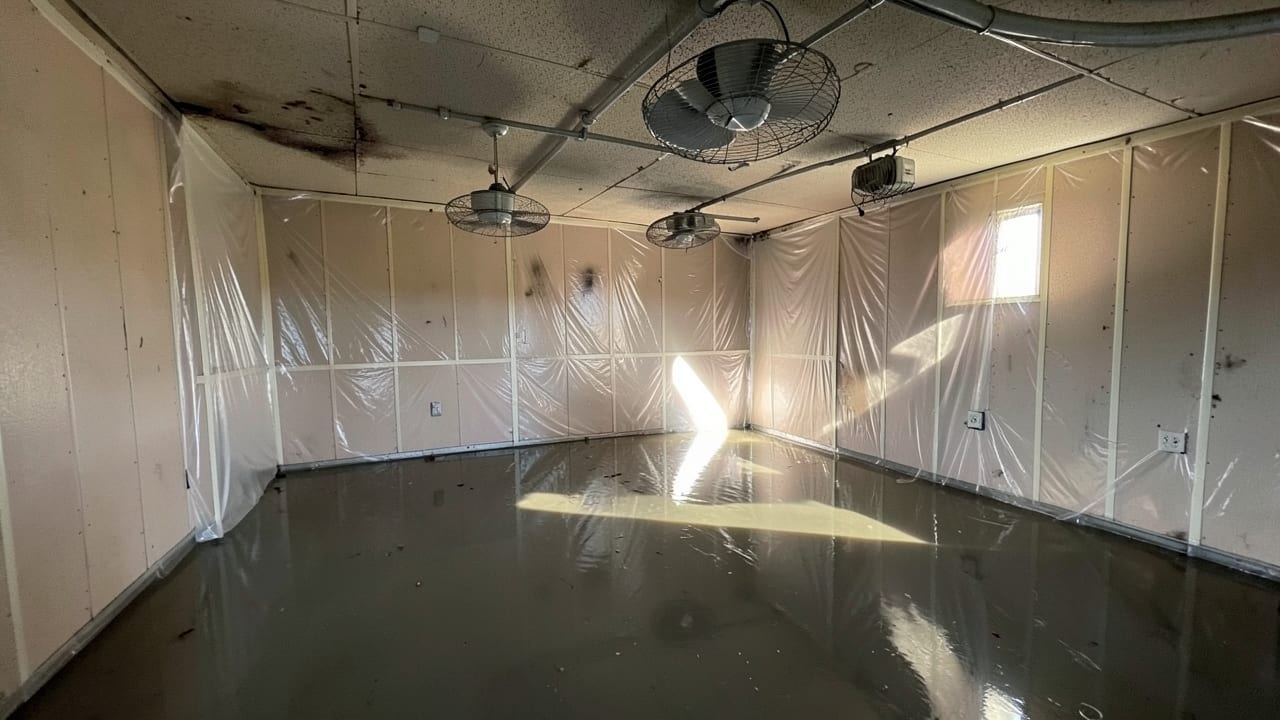
Storm Damage Mold Cleanup in Canyon Lake, CA
Professional cleanup and remediation of mold caused by storm-related water damage in homes.
Learn More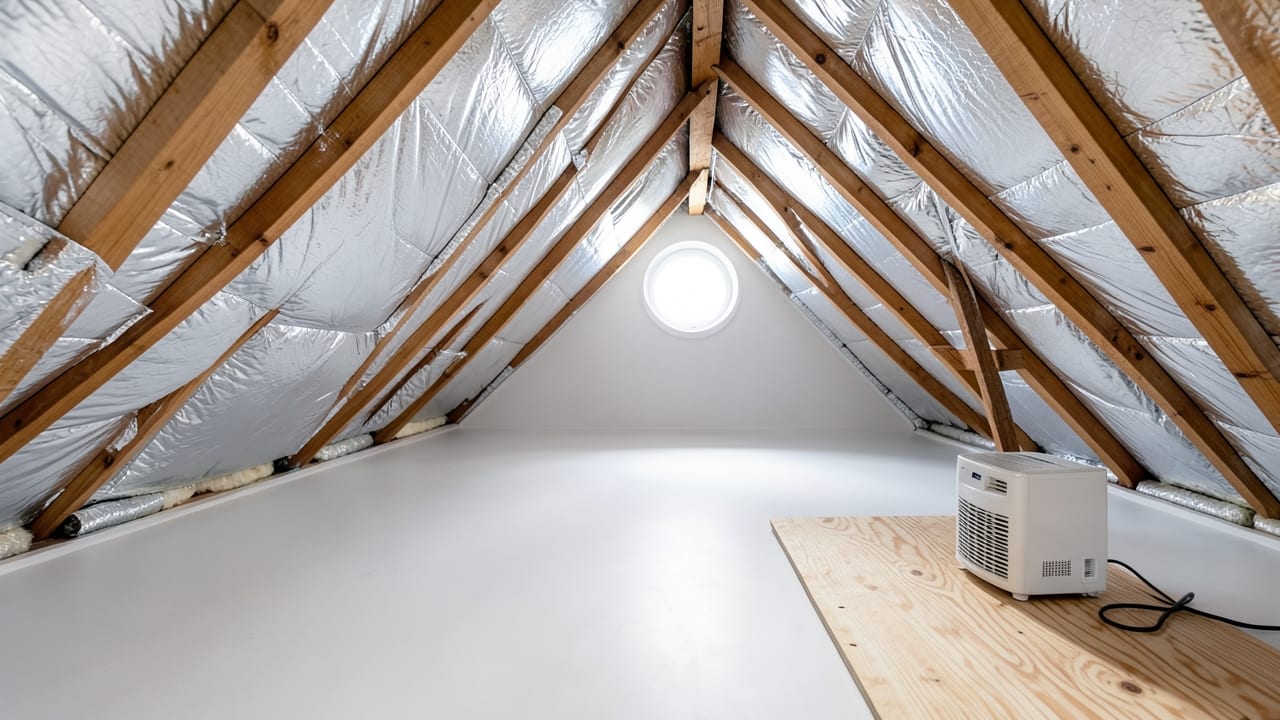
Pre-Winter Mold Prevention in Canyon Lake, CA
Pre-winter mold prevention involves inspection and treatment to stop mold growth before cold weather.
Learn More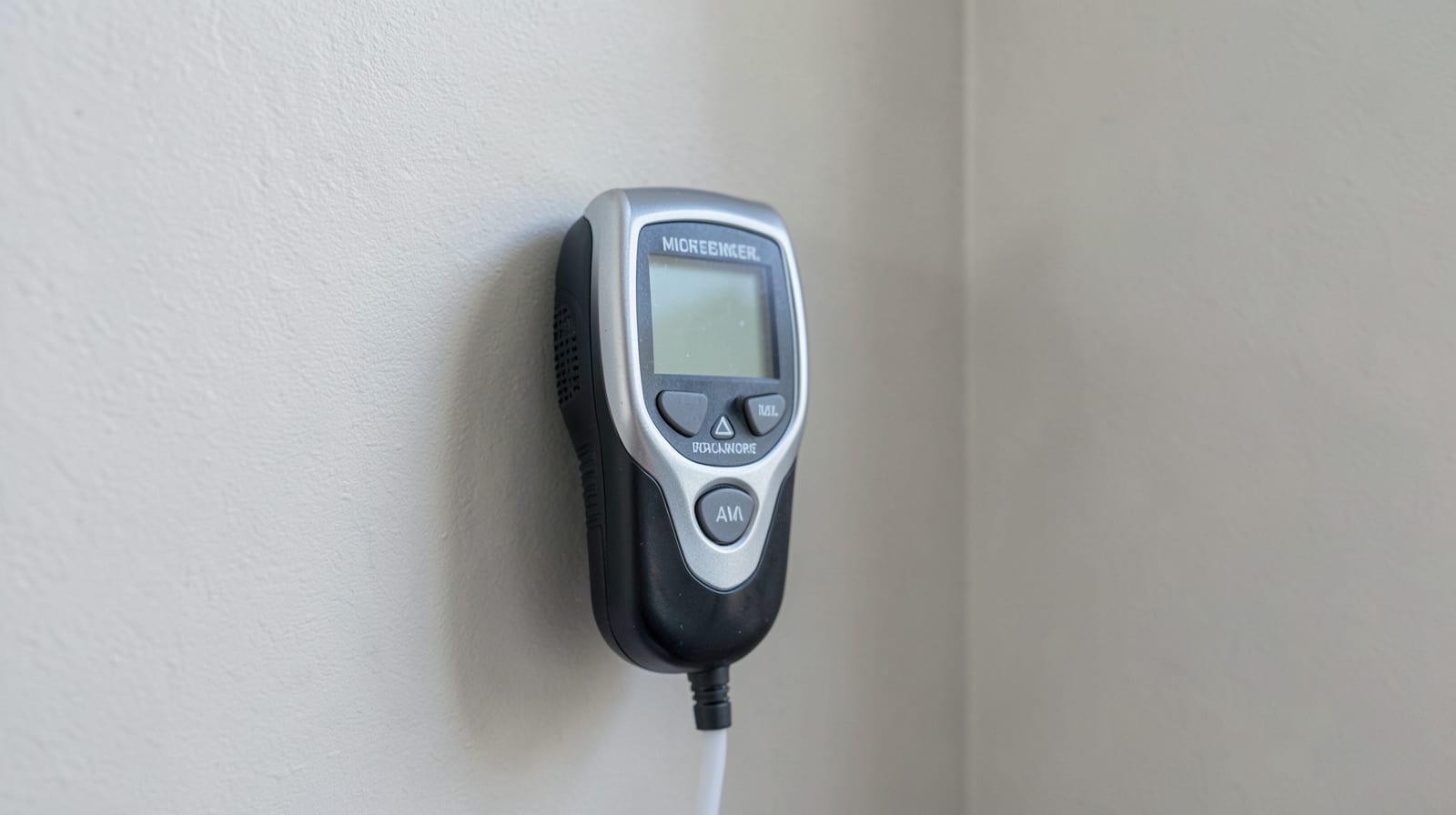
Mold Inspection in Canyon Lake, CA
Mold inspection in Canyon Lake, CA — a visual and moisture-meter assessment that finds the source of growth, not just the visible spot on the wall.
Learn MoreCommon Questions About Mold Remediation in Canyon Lake
Everything you need to know about mold remediation services in Canyon Lake
How much does Sunroom Mold Remediation typically cost in Canyon Lake, CA?
Does coastal humidity around Canyon Lake, CA change how mold risk is assessed?
What's the actual difference between mold removal and mold remediation?
Is a final clearance test part of a typical mold remediation job?
How does mold remediation actually prevent the problem from coming back?
Can mold growing inside HVAC ductwork spread to the rest of a home?
Need Mold Remediation in Canyon Lake?
Connect with local providers in Canyon Lake for a detailed quote.
⏰ We answer your call • Serving all of Canyon Lake and surrounding areas